
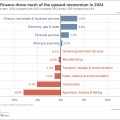
Following a contraction of 0,1% in the third quarter of 2024, the South African gross domestic product (GDP) expanded by 0,6% in the fourth quarter (October–December).1 Growth was led by agriculture, finance and trade on the supply (production) side of the economy. Household spending led growth on the demand (expenditure) side. Annually, the GDP grew read more »
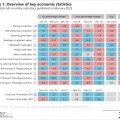
Economic data published this month provide preliminary insight into how the South African economy performed in the fourth quarter of 2024 and the calendar year Winners and losers The fourth quarter was generally downbeat across selected sectors, with only four keeping their heads above water. Wholesale trade, retail trade, motor trade and rail passenger transport read more »
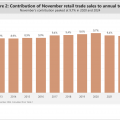
Retail trade sales surged in November, marking the most significant year-on-year jump for the month in seven years.1 The latest round of data, which concludes the results for the calendar year, provides an opportunity to re-examine2 November sales over time. November nipping at Santa’s heels One can think of Black Friday as a competitor to read more »
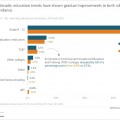
South Africa’s youth, defined as individuals aged 15–34 years, form a crucial demographic and make up nearly one-third of the population. They represent a dynamic generation navigating a rapidly evolving society influenced by the labour market, poverty, crime and access to quality education. According to the 2024 Mid-year Population Estimates, approximately 21 million young people read more »
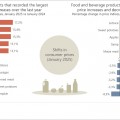
Consumer inflation was 3,2% in January 2025, up slightly from 3,0% in December 2024. The January consumer price index (CPI) is the first to incorporate the changes to the CPI basket and weights announced last month.1 Food inflation slightly softer in January The CPI for food & non-alcoholic beverages (NAB) increased by 2,3% in the 12 months to read more »
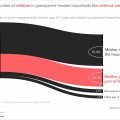
Across South Africa, millions of grandparents are stepping in to raise their grandchildren. Whether due to economic hardship, parental struggles, or social shifts, more children are finding their strongest support system in their grandparents’ arms. According to the report Child Series Volume IV: Children Living with Grandparents in South Africa, 2023, approximately 6,7 million grandparents read more »
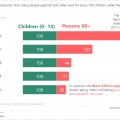
South Africa, a country shaped by its young population, is quietly undergoing a demographic shift that could reshape its future. While the country still has a relatively young population compared to many developed nations, declining birth rates and increasing life expectancy are steadily pushing the median age upward. As the working-age population shrinks in proportion, read more »
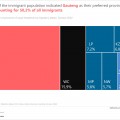
Migration is reshaping South Africa’s social and economic landscape, yet behind the statistics are real people—families seeking stability, workers driving industries, and vulnerable groups at risk. South Africa’s immigrant population has seen a steady rise over the past few decades, increasing from 2,1% of the total population in 1996 to 3,9% in 2022. By 2022, read more »
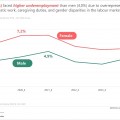
The 2025 State of the Nation Address (SONA) underscored South Africa’s pressing labour market challenges, with unemployment remaining a top national concern. The Quarterly Labour Force Survey (QLFS) reports an unemployment rate of 31,9% in Q4: 2024, reflecting the continued difficulty many South Africans face in securing jobs. Beyond unemployment, time-related underemployment remains a challenge, read more »
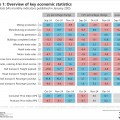
Stats SA started the year with 20 new releases. Key economic outputs include the conclusion of consumer inflation data for 2024, the release of a new consumer inflation basket and weights, and the much-anticipated release of the Income and Expenditure Survey (IES) report. Inflation heats up to 3,0% Consumer inflation increased for a second straight read more »