
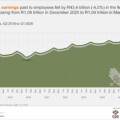
According to the Quarterly Employment Statistics (QES, Q1:2026) survey released by Statistics South Africa (Stats SA), total employment in the formal non-agricultural sector decreased by80 000 (0,8%) in the first quarter of 2026, falling from 10,548 million in December 2025 to 10,468 million by March 2026. Overall, 121 000 jobs were lost between March 2025 and read more »
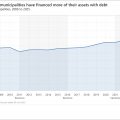
The recent voter registration drive was a reminder of the upcoming local government elections on 4 November 2026. A two-decade review of five financial indicators shows how municipalities fared at the time of previous elections. The beauty of Stats SA’s annual Financial census of municipalities statistical release is that it provides a time series of financial data read more »
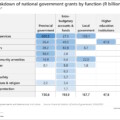
One of the most significant features of national government spending is transfer payments to other levels of government and public institutions. These transfers, classified as “grants” under the Government Finance Statistics (GFSM 2014) framework,1 enable provinces, municipalities and other public institutions to deliver services on behalf of the government. According to the latest Financial statistics read more »
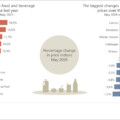
Consumer inflation jumped to 4,5% in May from 4,0% in April. This is the highest rate since July 2024, when it was 4,6%. The monthly change in the consumer price index (CPI) was 0,7% in May. The inflation surge was largely driven by increases in fuel prices. The fuel index recorded a second large monthly increase, read more »
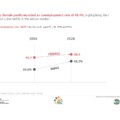
As South Africa commemorates 50 years since the 1976 Soweto Uprising, Youth Month provides an opportunity to reflect on how the lives of young people have changed over time. The generation of 1976 fought for access to quality education, dignity, and equal opportunity. As Statistics South Africa celebrates 30 years of census – taking in read more »
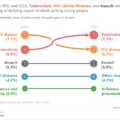
South Africa’s youth face a combination of health challenges and reality. While many young people describe themselves as healthy and hopeful, their lived experience reveal a more complex story shaped by financial pressures, limited access to quality health services, and everyday life challenges. Recent data reveals shifting patterns in how young people experience health, access read more »
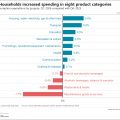
The South African economy maintained its positive momentum in the first quarter of 2026 (January–March). Real gross domestic product (GDP) increased by 0,5%,1 marking a sixth consecutive quarter of growth. Finance, agriculture, trade and transport did the heavy lifting on the production (supply) side of the economy. The expenditure (demand) side was supported by a read more »
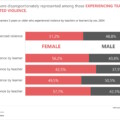
Violence against children remains one of the most pervasive yet often hidden challenges affecting societies today. Despite global policy commitments, abuse, neglect, and exploitation of children continues across homes, schools, and communities. In South Africa Child Protection Week, observed from 29 May to 5 June 2026, raises awareness about children’s rights and safety while encouraging read more »
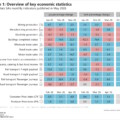
Stats SA published 25 statistical releases in May, with many providing a preliminary snapshot of economic performance in the first quarter (January–March). Business indicators largely upbeat The first quarter of 2026 was mainly positive, with stronger results from mining; wholesale trade sales; motor trade sales; tourist accommodation; restaurants, catering & fast-food; and rail & road read more »
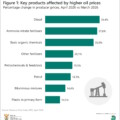
Earlier in the month, Stats SA reported the notable impact of higher fuel prices on consumer inflation.1 Producers were not spared either, according to data released this week. Manufacturers are also feeling the heat Fuel price increases also affected prices at the factory gate, as measured by the headline producer price index (PPI). The annual read more »