
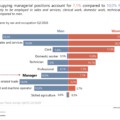
The South African labour market continues to reflect unequal employment outcomes between men and women. According to the Quarterly Labour Force Survey (QLFS) released by Statistics South Africa (Stats SA) in Q2:2026, women accounted for 50,3% of the 42,3 million working-age population (15-64 years). However, their labour market outcomes differ, with women bearing a disproportionate read more »
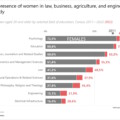
As South Africa celebrates 30 years of constitutional democracy and census-taking, Census data provide a unique lens through which to assess the progress made by women, showcasing important gains in education, employment, and leadership between 1996 and 2022. Since 1996, South Africa has made significant strides in improving their lives and opportunities. Supported by the read more »
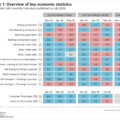
Stats SA welcomed the return of a regular data series to its publication schedule in July. Reintroduction of insolvency data Stats SA resumed the publication of the monthly Statistics of insolvencies statistical release after a long break. The release provides a monthly count of insolvencies in each province from January 2023 to June 2026. According to read more »
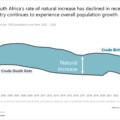
South Africa’s population has grown significantly over the past two decades, reflecting the combined impact of births, deaths and migration. The latest Mid-Year Population Estimates (MYPE) 2026 show that the country’s population increased from 42,9 million in 2002 to 63,5 million in 2026, an average annual growth rate of 1,3%. Over the same period, the read more »
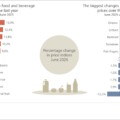
Annual consumer inflation jumped to 5,0% in June 2026 from 4,5% in May 2026. This is the highest inflation print since June 2024 when the rate was 5,1%. Prices rose by 0,7% on average between May and June, the same increase recorded between April and May. Fuel price pressures remain Transport was the largest contributor to both the read more »
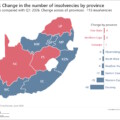
After a long hiatus, Stats SA has resumed the publication of insolvency data for the South African economy. The Statistics of insolvencies release provides data on the number of insolvencies, broken down by province. The first monthly release, published on 21 July 2026, reports on insolvencies for June 2026 and includes a time series from January 2023. read more »
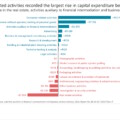
The South African economy is predominantly service-oriented. The tertiary sector accounted for 70% of economic activity or value added in 2024, far larger than the secondary (20%) and primary (10%) sectors combined.1 Within the tertiary sector, the finance, real estate & business services industry was responsible for 23% of value added, making it the largest read more »
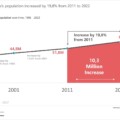
World Population Day is an event which aims to highlight the importance and urgency of population issues. The day was established by the former governing council of the UN Development Program in 1989 because of the commemoration and the interest shown with the world at 5 billion in 1987. The first World Population Day was read more »
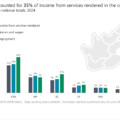
The construction industry in South Africa has faced numerous challenges over the years. Some of the key contributing factors, according to Infrastructure South Africa,1 were slow economic growth, low investment, loadshedding, labour shortages, the COVID-19 pandemic and criminal activity. According to gross domestic product (GDP) estimates, construction’s contribution to national economic activity peaked at 4,2% read more »
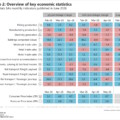
June was a busy month for Stats SA. The agency published 28 publications, with many providing fresh data on the performance of the economy. The latest business indicators Electricity generation continued to wane, declining by 9,0% year-on-year in April. Seasonally adjusted electricity production dipped to 17 901 gigawatt-hours (GWh), the lowest level since the COVID-19 Level 5 read more »