
Media Release 12 March 2015 Education Series I: Focus on schooling in Limpopo report gives details on the status of schooling in Limpopo About 97,9% of Limpopo residents between the ages of 7 and 18 years were attending some form of educational institution in 2013, up from 95,1% in 2002. This is according to read more »
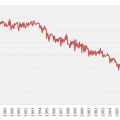
Monthly gold production reached a new monthly low in January, according to data released by Stats SA1. Although a number of temporary factors might have contributed to the unusually low level, general historical trends show that gold has lost the prominent place it once had in the South African economy. Stats SA has published comparable read more »

Headline producer inflation, which measures the change in prices of final manufactured goods, has continued to decline. The annual rate fell to 3,5% in January 2015, down from 5,8% in December 2014 and a peak of 8,8% in April 2014. Falling prices for coal and petroleum products continued to drive producer inflation down, while higher read more »
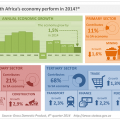
South Africa’s economy grew by 1,5% in 2014, down from 2,2% in 2013, according to preliminary estimates of real gross domestic product (GDP) released by Stats SA. Eight of the ten industry groups experienced some growth during the year, while two industries shrank in size. The industry that grew the fastest in 2014 was agriculture1, read more »

There were 127 032 non-profit institutions (NPIs) in 2014, according to a report released by Stats SA. Sourcing data from the Department of Social Development (DSD), the report offers an overview of the non-profit sector in South Africa, providing information on the various roles in which NPIs are involved, their income sources, and what they spend read more »

Annual CPI inflation dropped to 4,4% in January 2015 from 5,3% in December 2014, the lowest since April 2011, when the CPI stood at 4,2%. Key drivers pulling the CPI down were petrol and food. The 127c/l drop in the price of petrol in January further contributed to the decline in the CPI for petrol, read more »
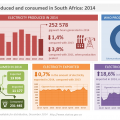
Less electricity was generated in South Africa in 2014 compared with 2013. Recent data show that national electricity production has been in decline after peaking in 2011, highlighting the country’s continued struggle to keep the lights on. The latest Electricity produced and available for distribution publication, released by Stats SA on Thursday, 5 February 2014, read more »
The 2013 Mortality and Causes of Death release shows that HIV disease has moved from being ranked sixth in 2012 to being ranked third in 2013. Of the 458 933 deaths registered at the Department of Home Affairs in 2013 and processed by Statistics South Africa (Stats SA), 5,1% were due to HIV disease, an increase read more »
Sharp decreases in the prices of manufactured petroleum products drove producer inflation down, from 6,5% year-on-year in November to 5,8% in December. However, there were noticeable increases in year-on-year prices for meat, tobacco and dairy products. Stats SA’s latest Producer Price Index publication, released on Thursday, 29 January 2015, shows that prices for final manufactured read more »

Despite growing concern over the current state of the economy, recent data show that fewer companies closed down in 2014 compared to 2013. The good news is that this is a trend that has been happening for some time. According to the latest Statistics of liquidations and insolvencies report, released by Stats SA on Monday read more »