
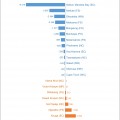
The number of consumer units using municipal bucket toilets fell from 60 557 in 2017 to 42 612 in 2018. This represents a 29,6% decrease in a single year, according to the latest Non-financial census of municipalities report. In 2014, the total was 85 718. The bucket toilets1 mentioned here are those that municipalities provide to communities located read more »
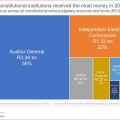
Constitutional institutions are tasked with strengthening South Africa’s democracy, by keeping a watchful eye on government and society at large. Recent financial data show which constitutional institutions are receiving the biggest piece of the revenue pie. The Auditor-General was the largest recipient of revenue in the 2017/18 fiscal year, taking up 56% of revenue received read more »
Annual consumer price inflation retreated to 4,0% in July from 4,5% in June. This is the lowest CPI headline rate since January, when it was also 4,0%. A fall in fuel prices and a rise in municipal tariffs were the key price movers during the month. Fuel prices edged lower in July, bringing some relief read more »
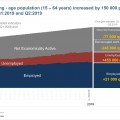
The results of the Quarterly Labour Force Survey (QLFS) for the second quarter of 2019, released by Statistics South Africa (Stats SA), indicate that the official unemployment rate increased by 1,4 percentage points to 29,0% compared to the first quarter of 2019. The number of unemployed persons increased by 455 000 to 6,7 million in Q2: read more »
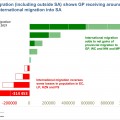
The estimated population of South Africa stands at 58,78 million, according to the recently released 2019 mid-year population estimates (MYPE). The MYPE report provides population estimates at national and provincial levels, disaggregated by age and sex. World Population Day, which took place on the 11th July, focused on enabling the youth with the necessary skills read more »
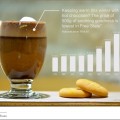
Annual consumer price inflation was 4,5% in June 2019, unchanged from May 2019. The main contributors to annual inflation were food and non-alcoholic beverages; housing and utilities; transport; and miscellaneous goods and services. Housing and utilities make up almost one quarter of the total consumer price index (CPI) in terms of weight (or relative importance). read more »
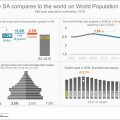
By mid-2018, according to the Mid-year population estimates released by Stats SA, South Africa’s population stood at 57,73 million people, which is less than one per cent (0,75%) of the total world population. According to the UN, the total world population is estimated at 7,7 billion people in 2019 and will exceed 8 billion by read more »

Wherever you go, you transform the landscape. Imagine living the entirety of your life in the map below. Your daily routine might resemble a zig-zagging pattern as you move across the square cells of the grid. Where you choose to live, work, commute, shop, socialise and play – you influence the economic, social and environmental read more »
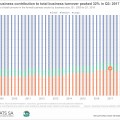
In 2015, Stats SA published an article highlighting the contribution that small businesses make to industry turnover in South Africa.1 The March 2019 Quarterly financial statistics (QFS) report provides an update. The entire formal business sector2 generated R2,39 trillion in turnover in Q1: 2019. Out of this amount, large businesses contributed 62%, followed by small (29%) and read more »
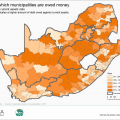
We often hear of how much municipalities are in debt. But there is another side of the coin. Municipalities themselves are owed money, often by consumers and institutions. Debt owed to South Africa’s 257 municipalities (referred to as net current debtors1) totalled R72,4 billion in the 2018 financial year, according to the latest Financial census of read more »